Nafplio, Nauplion - explore ancient sites
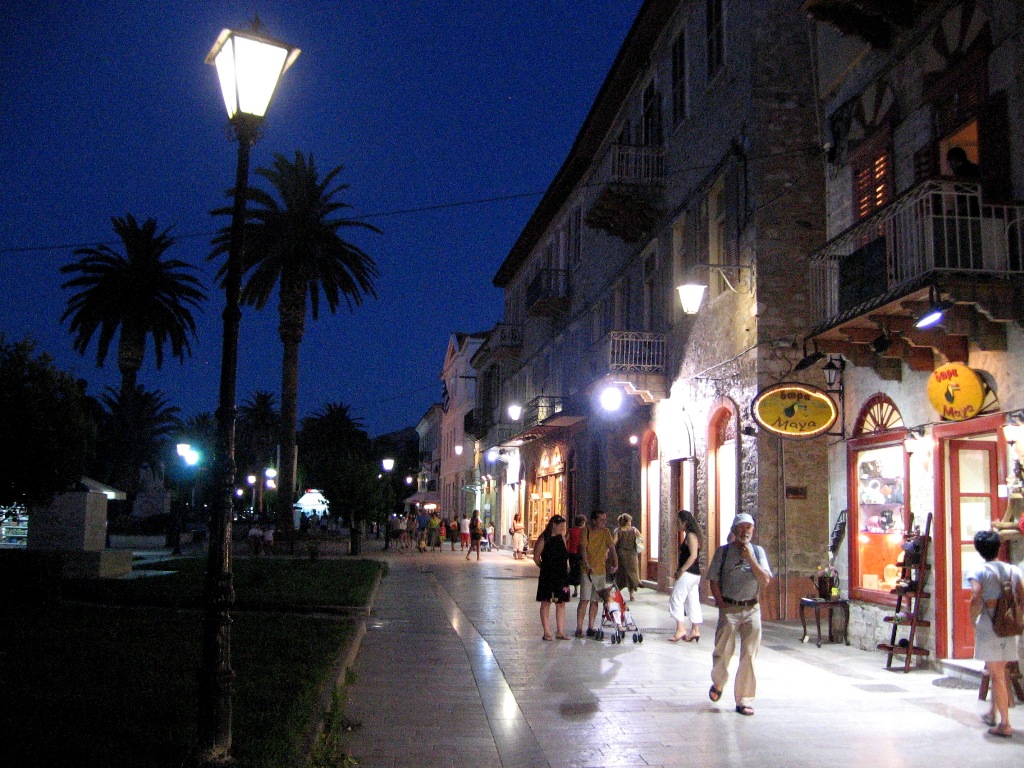
Nafplio or Nauplion is an ideal base for exploring the ancient sites of the noth-east Peloponnese. Considered by many Nafplio is as one of the country's lovelist towns. The historic center is made up of narrow streets with neo-classical and Ottoman style buildings, wooden balconies with cascading flowers, Turkish fountains, Constitution (Syntagma) Square with its fascinating mosques and outdoor cafe tables is like a fairy land. While you stay in Nafplio you must visit: the Venetian fortress of Palamidi, which crowns the city, Bourtzi the fortified islet as well as the Archaeological and the Folk Art Museum.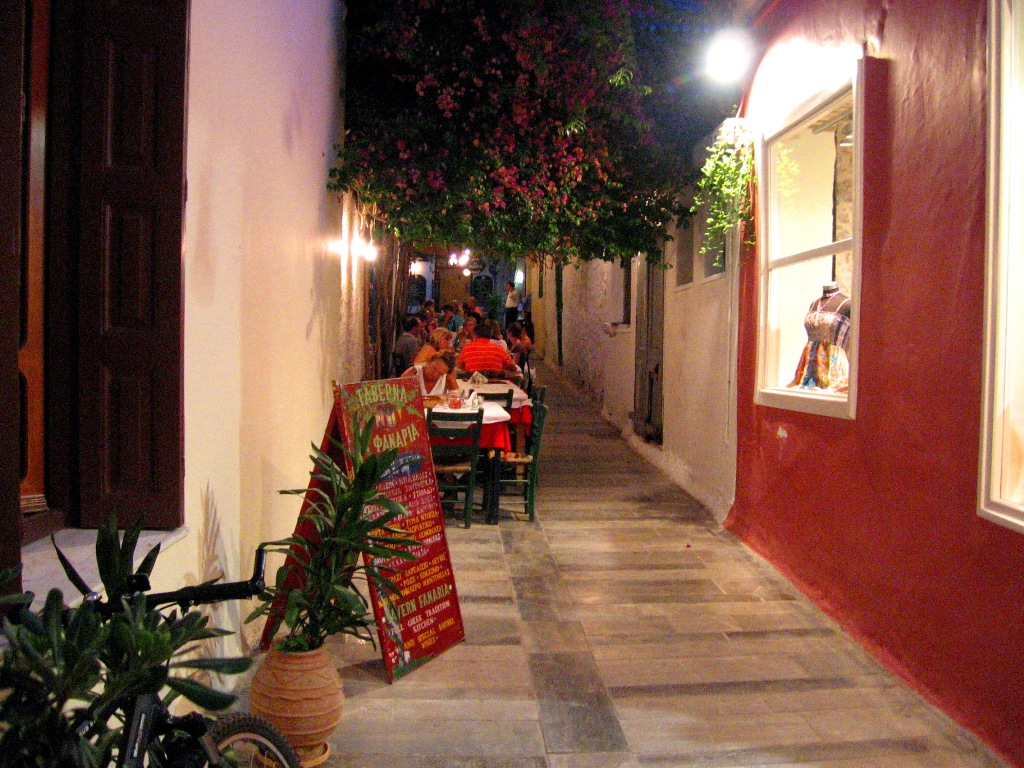
Palamidi - Venetian fortress in Nafplio
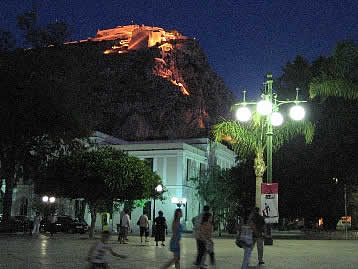
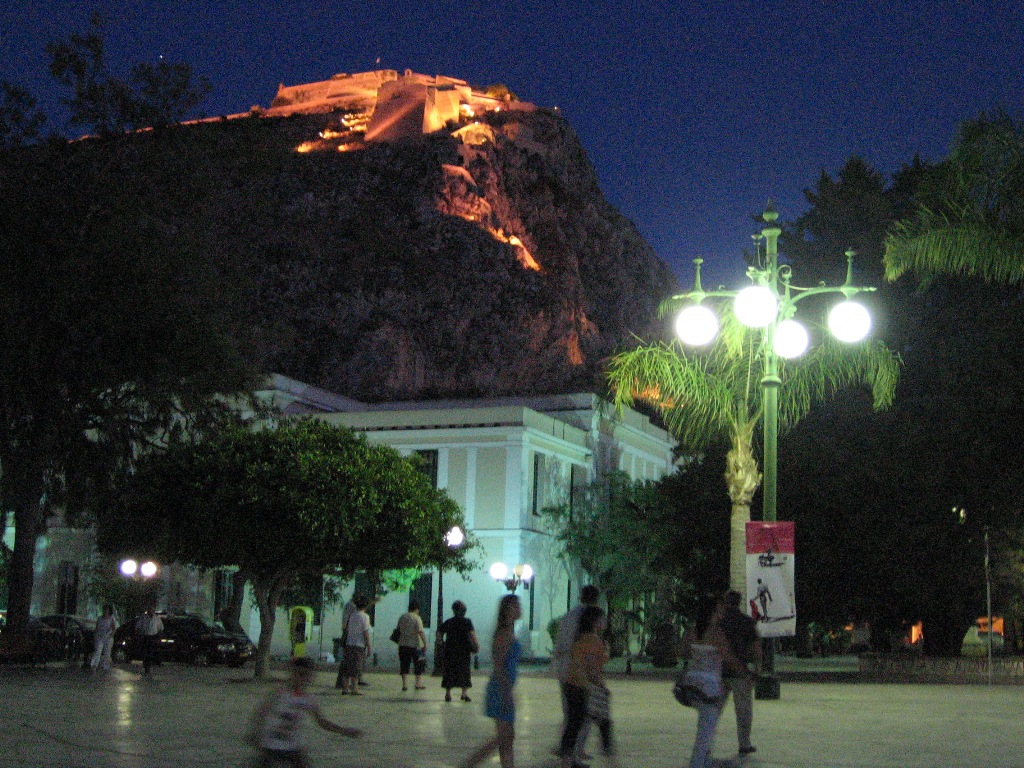
The Venetian fortress which dominates the city, is actually three separate fortresses walled together and built by the Venetians in 1714. The engineers La Salle and Giaxich constructed the Venetian fortress, on the top of a hill at an altitude of 216m. It changed hands several times and after Greece’s liberation, Palamidi was used as a prison. Theodoros Kolokotronis, the hero of the Greek revolution was also held here. Inside the bastion of Saint Andrew lies the homonymous church, built in Venetian times. There are 999 steps leading up to the fortress but you can also take a taxi to the top. The Palamidi is open from 8:30 am to 2:45 pm.

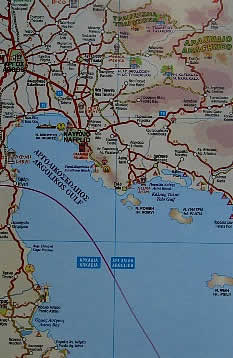
From 1824 to 1834, Nafplio was the capital of the new formed state of Greece. Built round the feet of two fortresses, the gigantic Venetian fortreess of Palamidi and Acronauplia, its beauty is mirrored in the serene waters of its bay. Tradition has it that the cuty's founder was Nauplios who gave his name to it. He was born of Poseidons's illicit union with Amymone, the lovely daughter of the King of Argos. Nauplion's son Palamides was a great seaman and hero of the Trojan War. He gave his name to the fearsome fortreess of Palamidi which towers in its masssive bulk above the pretty town, a ceaseless guardian.
 Visit the city of Nafplio
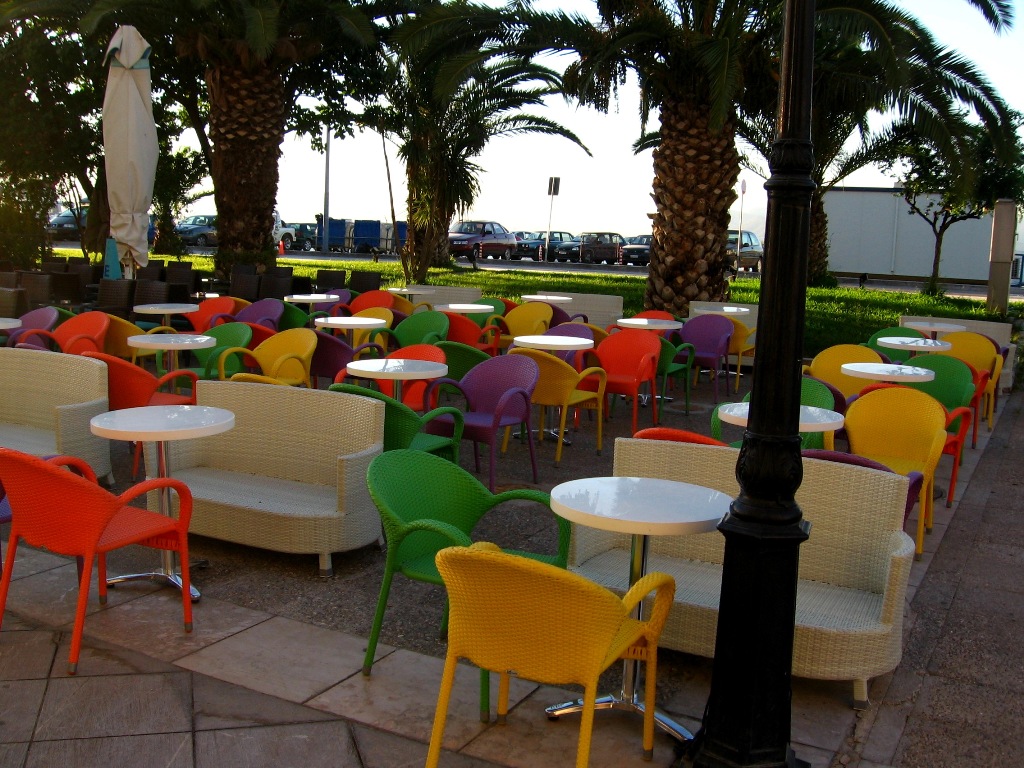
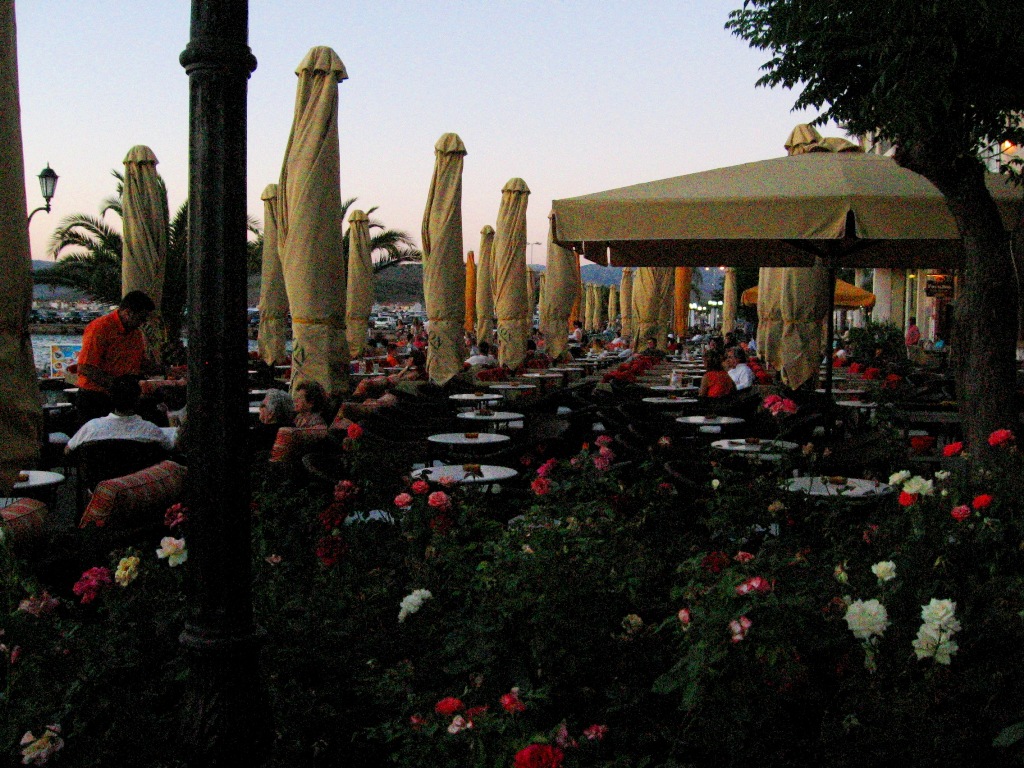
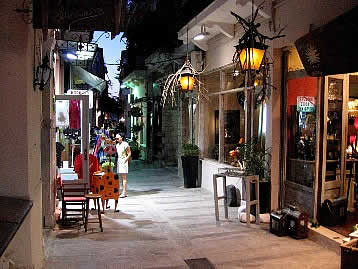
Nafplion is full of the joy of life: it is the nobility and calm found in Minoan frescoes; it is Syntagma Square, which strikes you as more gracious and delightful every time you see it; it is the little restaurants on the waterfront, the open-air cinemas, the bars and the music that every evening takes you closer to the people, the sea and the stars.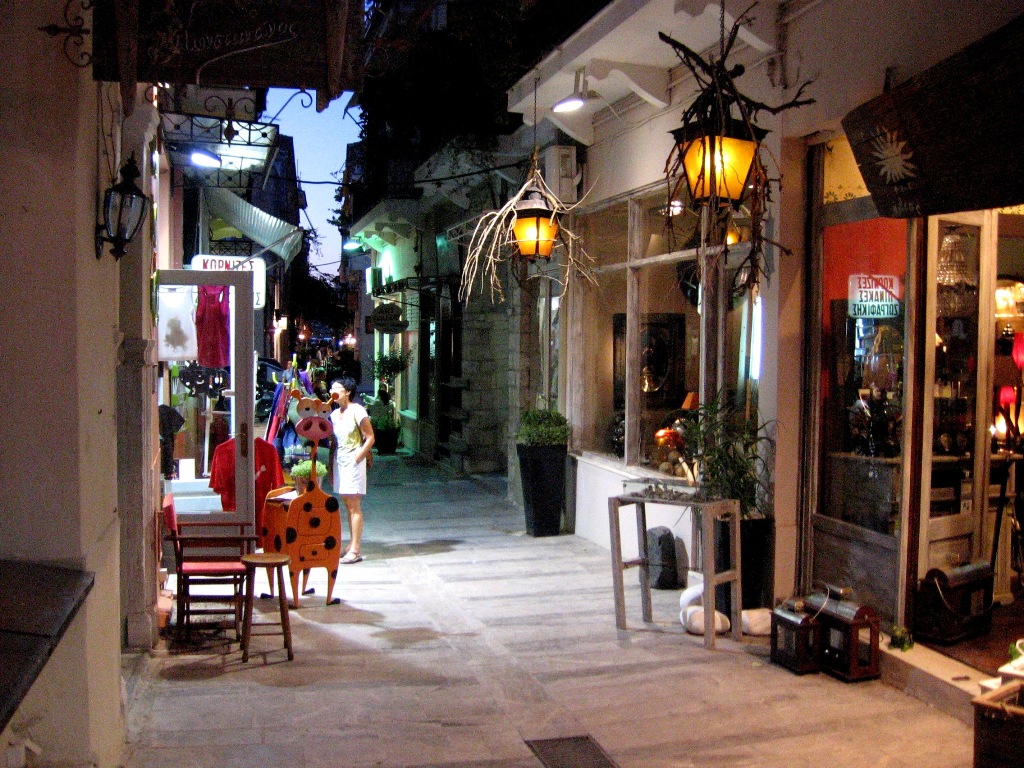
In Syntagma Square the Archaeological Museum, with its finds from various periods and frescoes from Mycenae (Mikines) and Assini, is housed in an imposing Venetian building, while the Folk Art Museum, on Vas. Alexandrou street, occupies a neoclassical houseterior slabs ("metopae"). The temple was destroyed by the earthquakes of 522 and 551 A. D.
 Bourtzi - small island close the Nafplio town
Picturesque view to the Nafplio bay continues, whether you climb up the 857 steps to the Venetian fortress of Palamidi crowning the city, wander round the battlements of Acronafplia or pop over to the fortified islet, Bourtzi, afloat in the middle of the bay. A new sight or sensation keeps coming across your path.
Bourtzi is a small island situated at the entrance of the port, 450 meters from the land. It was fortified by the Venetians in 1473 and served for preventing the enemy entering the port. It served as a fortress until 1865. It then transformed into residence of the hangmen who executed the convicts in Palamidi. It also operated as a hotel at a time. In our days it is one of the city's attractions.